Discover what a dumpster is, where the word dumpster came from, who invented it, and how modern dumpsters changed waste management.
A dumpster is a large waste container used to collect, store, transport, and dispose of debris. People use dumpsters at homes, businesses, construction sites, industrial facilities, and public properties.
Today, dumpsters help keep areas cleaner, safer, and more organized. They also make waste collection faster and more efficient.
Millions of people use the word dumpster every day. However, most people do not know the history of the dumpster or the origin of the word itself.
This guide explains the meaning of dumpster, the history behind its invention, common dumpster types, popular dumpster sizes, and the evolution of modern waste containers.
To learn more about container dimensions and capacity, visit our Dumpster Dimensions Guide.
A dumpster is a waste container that holds trash, junk, debris, and recyclable materials until a waste collection truck removes them.
People use dumpsters every day. You can find them at homes, apartment communities, businesses, schools, factories, warehouses, and construction sites.
A dumpster creates one central place for waste collection. This simple system helps keep properties cleaner and more organized.
Waste collection trucks transport the material to recycling centers, transfer stations, processing facilities, or landfills. This process makes waste management more efficient.
Today, waste companies use many dumpster sizes and container styles. Each design serves a specific purpose based on the type and volume of material being collected.
A dumpster keeps waste and debris contained in one location until pickup.
Dumpsters help reduce clutter and create safer working environments.
Many dumpster systems separate recyclable materials from general waste.
Dumpsters simplify waste collection, transportation, and disposal.
Different projects require different container capacities.
You can also explore our How It Works Guide to understand the complete dumpster rental process from delivery to pickup.
The word dumpster has been around for decades. Most people use it every day, but few know how the name started.
The history of the dumpster begins in Knoxville, Tennessee. During the 1930s, the Dempster Brothers developed a new waste collection system that changed the industry.
Before their invention, workers often collected garbage by hand. The process took more time and required more labor.
The Dempster Brothers introduced metal containers that trucks could lift and empty mechanically. This innovation improved efficiency and helped modernize waste collection.
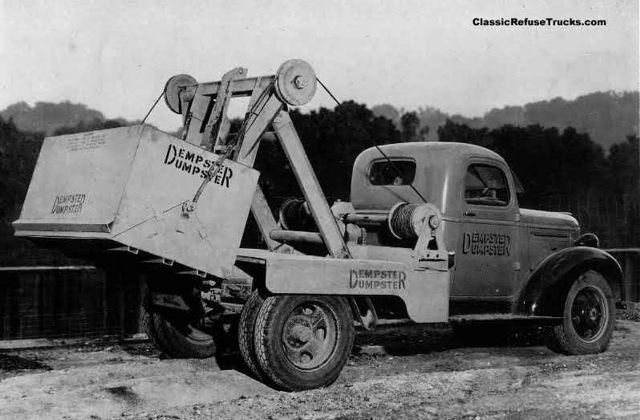
The word dumpster comes from the company name Dempster and the word dump. The Dempster Brothers used the name for their waste containers.
Over time, people started using dumpster as a general term for large waste containers. The name eventually became part of everyday language.
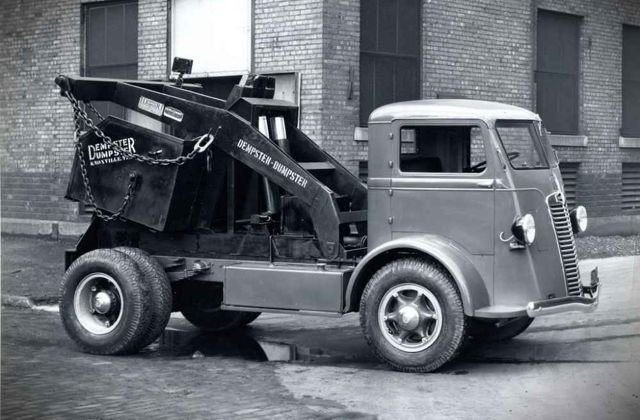
Dumpster started as a brand-related name. Today, it describes many types of waste containers used around the world.
Modern waste companies use dumpsters for residential cleanouts, commercial waste collection, construction debris, recycling programs, and demolition projects.
To see how modern roll-off containers evolved from these early designs, explore our Roll-Off Dumpster Size Guide.
The dumpster did more than hold waste. It changed how people collect, transport, and dispose of debris.
Before dumpsters became common, waste collection required more labor and more time. Workers often handled garbage manually, which made the process slower and less efficient.
The introduction of standardized waste containers helped cities, businesses, and construction companies manage larger amounts of material with fewer resources.
Modern dumpster systems improved sanitation, reduced clutter, and made waste collection more organized. These improvements helped shape the waste management industry we know today.
Specialized trucks can load, transport, and empty dumpsters quickly and efficiently.
Centralized waste storage reduces hazards and helps keep properties cleaner.
Organized waste collection helps reduce litter and supports public sanitation efforts.
Modern dumpster systems support recycling programs and responsible waste handling.
Learn more about accepted materials, disposal practices, and waste handling rules in our Dumpster Disposal Guide.
Not all dumpsters serve the same purpose. Different industries use different dumpster types based on the material, volume, and collection method.
Over the years, dumpster designs evolved to meet the needs of homeowners, businesses, contractors, manufacturers, and waste management companies.
Today, several dumpster styles help handle everything from household junk and recycling to construction debris and commercial waste.
Roll-off dumpsters feature an open top and arrive on specialized trucks. Contractors, homeowners, and businesses often use them for construction, demolition, remodeling, roofing, and large cleanup projects.
Front-load dumpsters serve restaurants, retail centers, apartment communities, and commercial properties. Waste collection trucks empty them on a regular schedule.
Rear-load dumpsters work well in areas with limited space. Schools, offices, churches, and smaller businesses often use this container style.
Recycling containers collect cardboard, paper, plastic, glass, and metal. These dumpsters help support recycling programs and reduce landfill waste.
Construction projects often require larger containers and specialized debris handling. Learn more in our Construction Dumpster Rentals Guide.
Dumpster sizes vary based on the amount of material a project generates. Choosing the right size helps improve efficiency and reduce waste handling costs.
Most roll-off dumpsters are measured in cubic yards. The larger the number, the more material the dumpster can hold.
Homeowners, contractors, businesses, and property managers select dumpster sizes based on the type of debris, available space, and project scope.
Ideal for concrete, brick, dirt, garage cleanouts, small remodeling projects, and heavy debris removal.
Popular for flooring removal, bathroom remodels, kitchen renovations, and medium-sized cleanup projects.
Commonly used for home renovations, roofing projects, construction debris, and large residential cleanouts.
Designed for major construction projects, commercial renovations, demolition debris, and large-scale cleanups.
Residential projects often require smaller containers that fit comfortably in driveways and residential properties. Learn more in our Residential Dumpster Rentals Guide.
The dumpster remains one of the most important tools in modern waste management. It helps communities, businesses, and construction projects manage waste safely and efficiently.
Every day, dumpsters help collect millions of pounds of waste. Without organized waste collection systems, communities would face more litter, safety hazards, and environmental challenges.
Modern dumpster systems support recycling programs, construction projects, commercial operations, disaster cleanup efforts, and residential waste collection.
Dumpsters keep waste contained and help reduce hazards on homes, businesses, and construction sites.
Specialized containers help separate recyclable materials from general waste streams.
Centralized waste collection allows trucks to transport large amounts of material efficiently.
Organized waste collection helps reduce illegal dumping and supports responsible disposal practices.
Some projects require fast waste removal. Learn how rapid delivery services support cleanup efforts in our Same-Day Dumpster Rentals Guide.
The dumpster has a fascinating history. Many people use dumpsters regularly, but few know these interesting facts.
Dumpster originally referred to containers manufactured by the Dempster Brothers. Over time, the name became a common word used across the waste industry.
Standardized containers made waste collection faster, safer, and more efficient than traditional manual methods.
Many recycling programs rely on dedicated containers to separate cardboard, metal, plastic, glass, and other recyclable materials.
Today, dumpsters help manage waste in cities, businesses, industrial facilities, construction sites, schools, and residential communities around the world.
Modern roll-off dumpsters evolved from earlier waste containers and became popular as construction and demolition projects expanded.
What began as a company-related name eventually became an official dictionary word recognized throughout the English-speaking world.
The history of the dumpster shows how one innovation transformed waste collection and helped shape modern waste management systems.
Here are answers to some of the most common questions about dumpsters, dumpster history, and waste management containers.
The dumpster changed the way people handle waste. What started as an innovation by the Dempster Brothers became one of the most important tools in modern waste management.
Today, dumpsters help homeowners, businesses, contractors, manufacturers, and municipalities collect and dispose of waste more efficiently. They improve safety, support recycling programs, and keep communities cleaner.
The history of the dumpster also shows how a simple idea can transform an entire industry. From early metal containers to modern roll-off systems, dumpsters continue to evolve as waste management technology advances.
Whether used for residential cleanouts, commercial operations, construction projects, or recycling programs, the dumpster remains an essential part of everyday life.
If you would like to learn more about dumpster services and modern waste solutions, visit our Rent a Dumpster Guide.
